Thursday, May 2, 2019

Google introduces location data auto delete feature

Google storing your location data is a blessing and a curse. Of course, it is optional and you can turn it off any time, but then many of our favorite features wouldn't work. Things like restaurant recommendations, search results, Google Timeline and more are all thanks to your location data being stored.

However, having all that data stored by Google is scary. Everywhere you've been, everything you've searched for in the last decade is all on a server. While Google is a relatively secure company, anything can happen and that info could be stolen. Is it that important? Not really, but it's definitely eerie. If you don't believe us, check out Google Timeline and scroll back a few years.

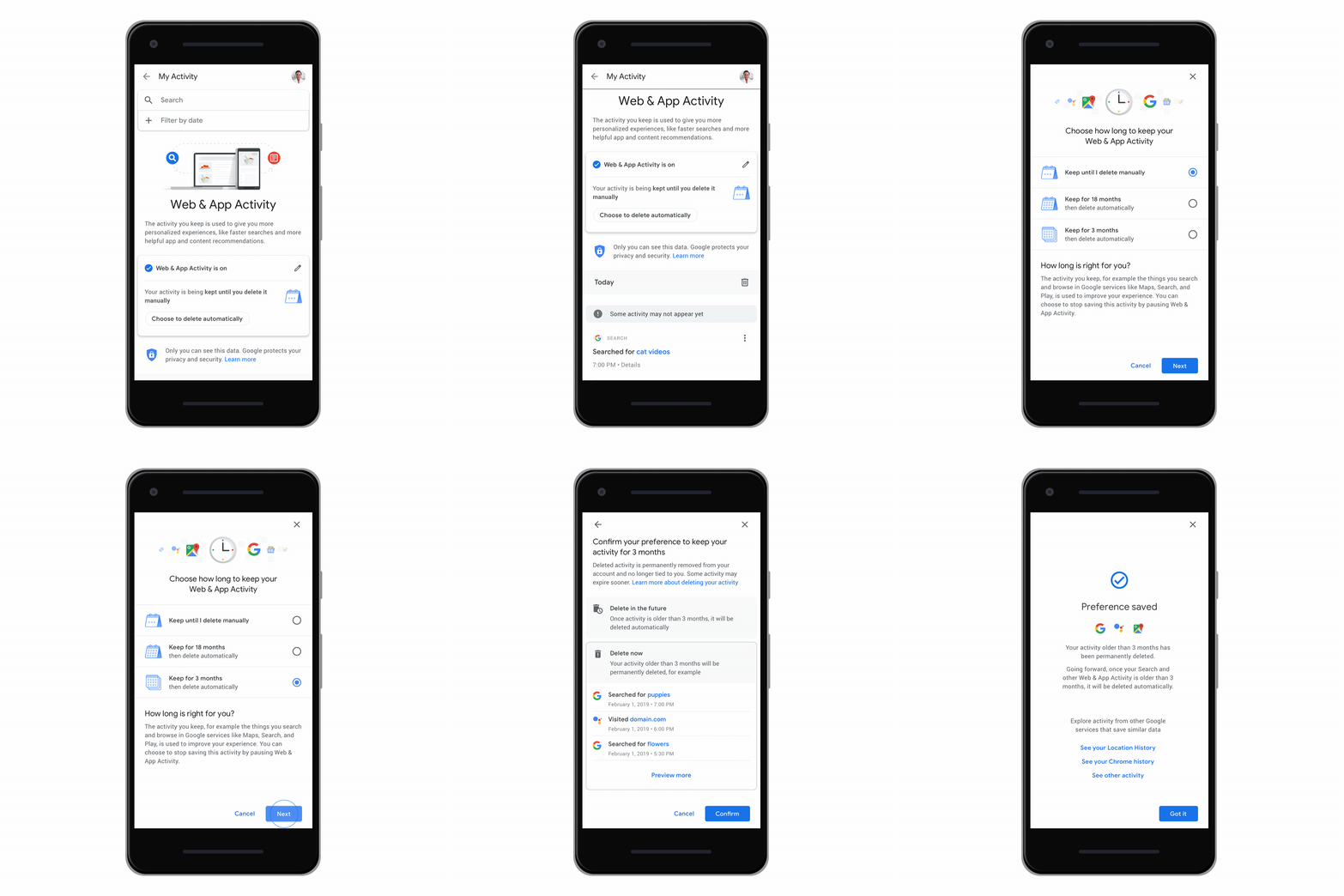
Thankfully, Google is now giving us an "in-between" for those who are privacy-focused but still want to take advantage of the aforementioned features. The company is adding a new auto-delete option that will delete your activity data either every 3 months or every 18 months. This allows you to enjoy the short term benefits of location data without having it permanently stored by Google.

Choose a time limit for how long you want your activity data to be saved—3 or 18 months—and any data older than that will be automatically deleted from your account on an ongoing basis. These controls are coming first to Location History and Web & App Activity and will roll out in the coming weeks.

We think this is a fantastic move, especially in our current times where security is being taken more and more seriously. The feature will be rolling out in the coming weeks so keep an eye out in the Location History menu in Google settings for the prompt!

Gif showing how to choose how long to keep your web and app activity. gif

Source: Google Blog


from Phandroid http://bit.ly/2DKJrCP
via IFTTT

Google teases new “Tiles” in Wear OS video

Wear OS isn't exactly getting the love it deserves from Google, though the latest interface redesign was a big step in the right direction. However, the company isn't done with our favorite smartwatch operating system, as an even newer interface update is coming soon.

This update will introduce "Tiles", which are cards to the sides of the watchface. You can swipe side to side to see bit of data like texts, news, weather, flight data, Google Fit, and more. You can also rearrange these Tiles by holding and dragging, making your favorites easier to access.

This will replace the current interface, where a swipe left will reveal Google Fit and a swipe right reveals Assistant. This brings it more in line with Huawei's LiteOS on the Watch GT, which features almost identical data cards accessible by swiping away from the watch face.

We'll be getting more details about this new feature at Google I/O next week, and it should be rolling out over the next month. You probably won't see it for a little while, and we don't know what watches it will come to, but we hope to see it on older models that got the UI redesign last year. Take a look at this video which showcases the tiles at the end.

Source: Google
Via: Droid-Life


from Phandroid http://bit.ly/2GQH6qY
via IFTTT

Wednesday, May 1, 2019

Google Pixel 3a could be cheaper than we previously thought

We had earlier made the argument that for $500 for the Pixel 3a, it was simply not worth it as it was just about $100-$150 shy of buying a phone with much better specs, but at the same time, maybe for some, the difference in price is simply too much for them to even consider. Turns out there might be some good news after all.

In a video uploaded by YouTube channel This Is Tech Today, they claim that they have gotten word on how much the upcoming Pixel 3a smartphones could cost, with the Pixel 3a priced starting at $399, while the larger Pixel 3a XL could be priced starting at $479.

With a base price of $399, it sure makes it an even more compelling handset. It is unclear if these were always the prices that Google was planning to charge, or if Google realized that $500 was a bit too expensive for customers to justify, especially when they can simply top up more money to get the Pixel 3.

Either way, we will learn more on the 7th of May which is when Google is expected to officially launch the device, so be sure to check back with us then if you'd like all the official details. In the meantime, here are several reasons to get excited for the Pixel 3a, and you can check out the video below if you'd like more details about the upcoming handset.

https://www.youtube.com/watch?v=dp-y3GJND_0


from Phandroid http://bit.ly/2LqRtY6
via IFTTT

6 reasons we’re excited for Google’s Pixel 3a

Next week Google will be launching their new Pixel 3a and Pixel 3a XL smartphones. In case you're learning about this for the first time, the upcoming phones are Google's answer to a more affordable Pixel 3 handset, where in exchange for a lower price tag, customers will be sacrificing certain features and performance in the process.

It might sound almost ridiculous to release a phone with 2018 hardware for a (rumored) price tag of $500, and there are plenty of reasons not to love it, but at the same time, there are certain things that we can look forward to as well.

Cost

According to the rumors, the Pixel 3a is said to be priced starting at $500. It's not exactly what one might call a "budget" phone, but it is more affordable than the current price of the Pixel 3. You might argue that the Pixel 3 doesn't cost much more and has much better specs, but perhaps the target market that Google is aiming at might not necessarily be the ones that are willing to spend an extra $200 or more for a phone with better hardware.

Stock Android
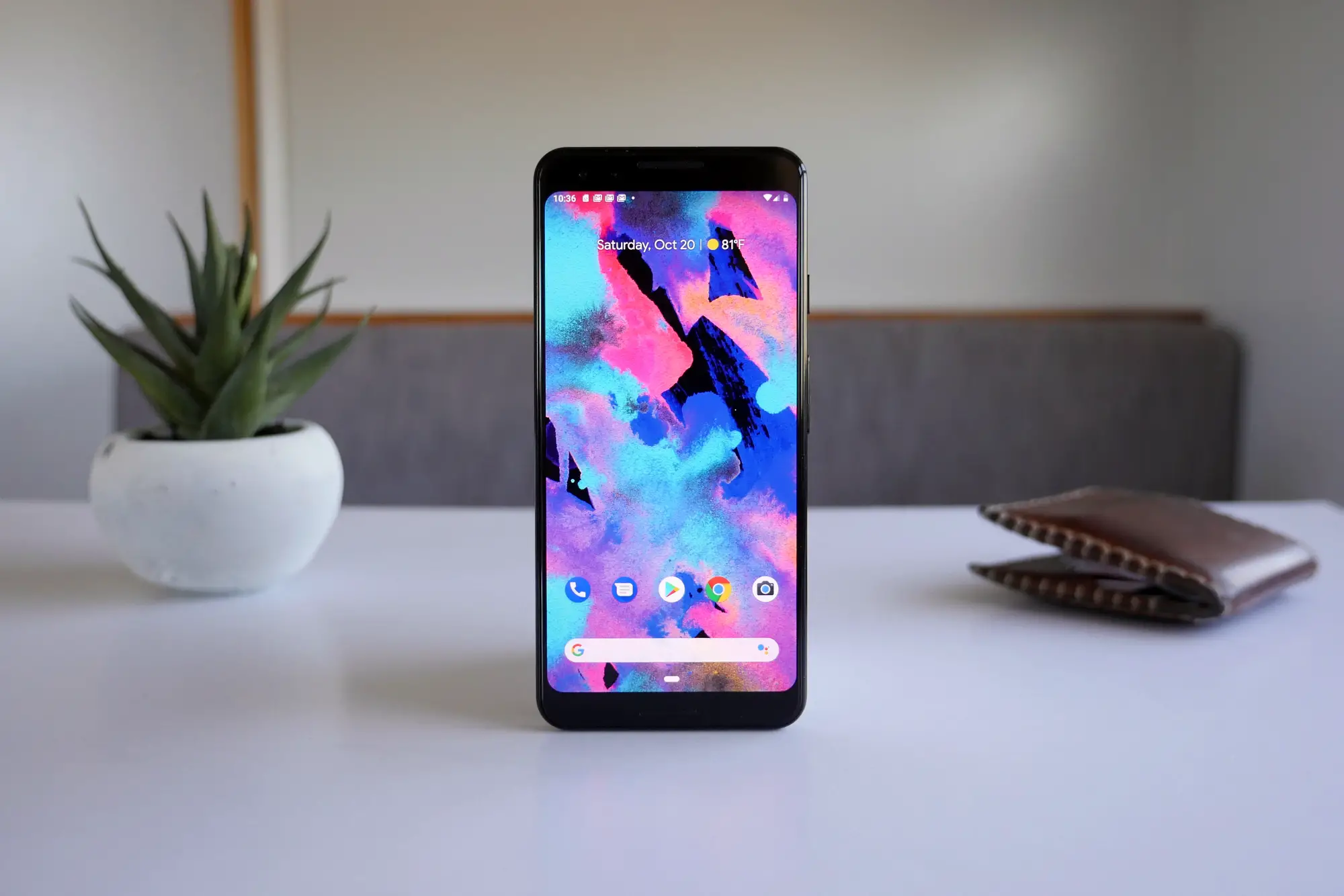
For those who aren't fans of the skinned/themed UIs that handset manufacturers bundle with their phones, getting a Pixel handset will give you a (relatively) stock Android experience. We expect that this will be the same with the Pixel 3a and 3a XL, where for a lower price, you get all the benefits of enjoying stock Android.

Plus, it also seems that Google will be bringing over some features from the Pixel 3 such as Night Sight

Speaking of stock Android, the fact that the phone is still part of the Pixel lineup means that in terms of updates, you can expect to receive them in a timely manner as other Pixel devices. Given that a lot of what makes an experience good is the software, being able to access the latest updates to Android whenever it is released can only be a good thing.

Camera

Now one of the things that Google's Nexus and Pixel smartphones were never really known for was their cameras. They were capable at best, but they definitely paled in comparison compared to the likes of the iPhone and Samsung. Google definitely stepped things up in a big way with the Pixel 3, and we expect that experience to carry over to the Pixel 3a and 3a XL.

In fact, a very recent teaser image shared by Google suggested that the company's coveted Night Sight mode (which uses AI to artificially brighten up the scene) could be brought over to the Pixel 3a phones. This essentially means that for a phone that's a few hundred dollars cheaper, you will be able to expect very similar camera capabilities. Plus, for all we know, the Pixel 3a might actually hint at some of the camera improvements that we could expect from the Pixel 4 later this year.

Wider Availability

While Google has always sold the Pixel phones unlocked through its website, the Pixel series had previously been exclusive to Verizon here in the US. However, a recent report claims that the exclusivity with Verizon will be coming to an end and that future Pixel phones, including the Pixel 3a and 3a XL, will be available through T-Mobile as well. For non-Verizon customers hoping to pick up the phone on an installment/repayment plan, your options just got a bit wider.

Plus it was recently reported that Google's Pixel 3 smartphones aren't selling as well compared to the Pixel 2. Making it available on T-Mobile along with a slightly cheaper price tag could help bolster sales and give the phone a better chance at succeeding.

It Gets The Job Done
The rumors are claiming that the Pixel 3a smartphones could be powered by the Qualcomm Snapdragon 670 chipset. On paper, it doesn't look particularly impressive especially when compared to other flagship chipsets, but let's be honest, it's more than enough to get the job done.

Unless you consider yourself a power user who plays a lot of resource-intensive games or does heavy processing tasks like video editing on the go, chances are the Snapdragon 670 will be more than adequate for your day-to-day activities.

Return Of The Headphone Jack
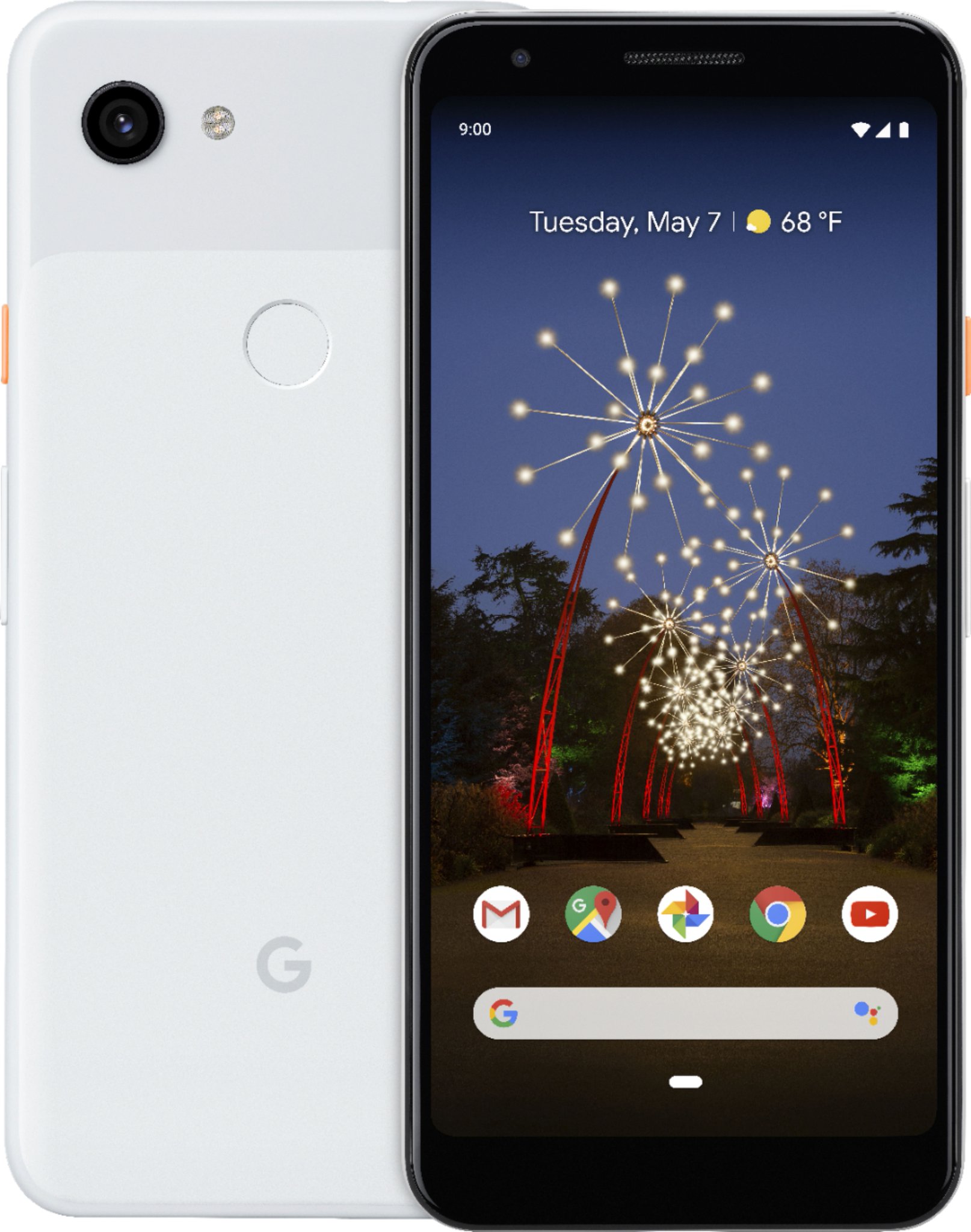
If a smartphone that lacks a headphone jack is a deal-breaker for you, the Pixel 3a and 3a XL appear to be bringing the port back.

This is great news for audiophiles who have long argued that wired headphones offer better sound quality than wireless ones, plus if you have a collection of wired headphones, this means you won't have to deal with dongles/adapters or be forced to buy a set of wireless headphones.

All in all, perhaps the Pixel 3a and 3a XL will be a huge flop as we predicted, or maybe, just maybe, with the right marketing and target audience, the Pixel 3a and 3a XL could be the runaway success that Google needs right now.


from Phandroid http://bit.ly/2WhyErd
via IFTTT
OnePlus 7 Pro benchmarks reveal it’s the worlds faster Android device

There's always a lot of excitement around the launch of a new OnePlus device, but the upcoming OnePlus 7 Pro is getting more attention than usual thanks to its rumored 90hz refresh rate, 12GB of RAM and triple camera system.

While we've known that the OnePlus 7 would be quite powerful since it's expected to run on a Qualcomm Snapdragon 855 SoC, benchmark results from Geekbench have surfaced, placing the OnePlus 7 Pro at the very top of the list, showing that it's the fastest Android device ever to be benchmarked using the app.

The OnePlus 7 Pro posted a 11,012 multi-core score and a 3,551 single-core score. While the multi-core performance puts the OnePlus 7 Pro in first place, the single-core score of the phone was only good enough for fourth place, right behind the new Samsung Galaxy S10 Plus.

With the launch of the OnePlus 7 and OnePlus 7 Pro scheduled for May 14th, expect the excitement level for this phone to increase. That being said, we're likely not going to be too thrilled about the price of the OnePlus 7 Pro. The company has always managed to deliver great value with its flagship smartphones, but we have a feeling that the 7 Pro's price will be significantly higher than what we've traditionally paid for a OnePlus smartphone.

Source: WCCFTech


from Phandroid http://bit.ly/2vvkdE7
via IFTTT

OnePlus 7 Pro camera samples have already made their way online

OnePlus will be officially announcing their OnePlus 7 and OnePlus 7 Pro (and maybe the 5G model) in the coming weeks. We have to say that out of the two models, we are excited for the OnePlus 7 Pro because it feels like for the first time ever, OnePlus seems to be taking photography more seriously than before with the use of a triple lens camera design.

We suppose this can't be helped given the stiff competition from Samsung, Huawei, and Oppo, but the question is, how good will the company's efforts be? Thanks to the folks at WIRED, they managed to get their hands on an early production model of the upcoming handset and took several photos, testing out the camera in the process, namely the new 3x zoom lens.

Image credit – Andrew Williams/WIRED

Now based on WIRED's initial testing, they found that while the 3x zoom lens on the OnePlus 7 Pro was an upgrade over the 2x zoom that was offered on previous models, it still seems to lack details and actually has more noise when compared to competing handsets like the Huawei P30 Pro. Interestingly enough, OnePlus imaging director Simon Liu seems to acknowledge that they might not be able to beat the competition.

"I think we have a shot at competing with the first tier phones. I don't think we can beat them, but the imaging world is always subjective."

We should point out that the model that WIRED managed to review is a pre-production model. This means that there is a chance the final model could be tweaked further (and maybe even for the better), so don't take these image samples as being final.

Source: WIRED


from Phandroid http://bit.ly/2V8d3on
via IFTTT

Google’s Pixel 3a could come with Night Sight mode

At the moment, flagship smartphones are more expensive than ever. It seems that maybe handset makers are aware of this and are hoping to compensate for it by creating more value for money handsets, Google included, where next week the company is expected to officially launch the Pixel 3a and Pixel 3a XL.

For those who haven't been following the rumors, the Pixel 3a smartphones have been rumored to be more affordable alternatives to the Pixel 3. With the reduction in price, certain compromises have to be made, but it seems that if there is one thing Google might not be compromising on, it would be its camera software.

In a recent teaser image shared by Google, the tagline accompanying the image reads, "Losing sight after twilight?" It might seem a bit innocuous, but it has been speculated that this could mean that Google could be bringing Night Sight to its Pixel 3a smartphones. The feature made its debut on the Pixel 3 where through the use of AI, it allowed the Pixel 3 smartphones to capture some pretty stunning images even in low-light conditions.

Given that it's a software feature, it's not surprising that Google would include it with the Pixel 3a, but as we said, with the handset compromising on certain features, it's good to know that Night Sight will not be one of them. The results of Night Sight on the Pixel 3a could potentially yield different results compared to the Pixel 3, since the lens and processor on the phone will be different, but how different remains to be seen.

Source: PhoneArena


from Phandroid http://bit.ly/2Lfw4AU
via IFTTT